Georgia CTSA K12 (formerly KL2) Scholars Program
Announcement
Our Georgia CTSA K12 Program (previously KL2) application is currently under review with NIH-NCATS. We are accepting applications for the K12 program for the upcoming cycle. Georgia CTSA K12 appointments are contingent on the funding of the Georgia CTSA K12 Program by NIH. Georgia CTSA K12 Program application deadline: February 1, 2027 5:00 PM (EST).
Program Overview
The Georgia CTSA K12 Program (formerly the KL2 Program) supports and enhances the career development of early-career faculty investigators (MD, PhD, MD/PhD, or PharmD) who are pursuing careers in clinical and translational research and clinical and translational science (CTS). The program is structured to provide flexible, personalized career development for early-career faculty (Instructor or Assistant Professor [or equivalent level]) across the four Georgia CTSA institutions, preparing them to become innovative translational scientists and leaders of multidisciplinary CTS research teams. The K12 Program supports eligible early-career faculty investigators at the Georgia CTSA partner institutions:
- Emory University
- Morehouse School of Medicine (MSM)
- Georgia Institute of Technology (Georgia Tech)
- University of Georgia (UGA)
The Georgia CTSA K12 Program is designed to sustain and advance Georgia CTSA’s research education infrastructure for didactic and mentored CTS research training through the K12-supported Master of Science in Clinical Research (MSCR), Certificate Program in Translational Science (CPTS), and other tailored training opportunities, and to cultivate a resilient, supportive training culture that sustains engagement in CTS.
The program provides up to two years of support, including:
- Salary support (75% effort is required unless the faculty member is a surgeon or in a surgical subspecialty where 50% effort is allowable). This effort is to protect the K12 Scholar’s time for research and research training activities. In addition, fringe benefits consistent with institutional and NIH requirements are provided.
- A K12 technical budget of $30,000 per year is provided to support research-related activities and expenses.
- The K12 Program provides mentored and didactic research training. Options for didactic training include the Master of Science in Clinical Research (MSCR) program at either Emory University or Morehouse School of Medicine; the Certificate Program in Translational Science (CPTS), or a “Menu” option of selected courses.
- Mentored research training is carried out under the direction of an established, federally funded investigator (who serves as lead mentor) and a mentoring team.
- Professional development activities including Leadership, Mentorship, Team Science, and Scientific Communications training.
- Opportunities for the Clinical and Translational Science (CTS) Journal Club, colloquia, seminars, and other interdisciplinary research training activities.
Each K12 Scholar develops an investigator-initiated, hypothesis-driven clinical or translational research (CTR) or CTS project with a human component. In the application, K12 Scholars should emphasize the translational component of their research. Research begins during the first year of the program and progresses under the guidance of the Scholar's lead mentor and mentoring team. Scholars submit semi-annual progress reports and are expected to develop and submit an NIH K award (or other NIH grant) application by the end of their first year in the K12 Program.
All publications resulting from work supported by the K12 award must acknowledge the applicable NIH-funded Georgia CTSA K12 and UL1 grants.
Program Requirements
K12 Scholars are expected to actively participate in the program and fulfill the following requirements:
- Devote a minimum of 75% professional effort to clinical and/or translational research and research training. A minimum of 50% effort is permitted for faculty in surgery or surgical subspecialties.
- Develop and conduct an investigator-initiated, hypothesis-driven CTR or CTS research project with a human component. The translational component of the research project should be emphasized.
- Identify a lead mentor who is an established, independently funded clinical and/or translational science investigator at a Georgia CTSA partner institution (Emory, MSM, GT, or UGA). A faculty mentor may only serve as lead mentor for a single K12 applicant or scholar at any one time. All K12 scholars must have mentored clinical and/or translational research training under the direction of their lead mentor. Additional co-mentors or Advisory Committee members are permitted (and do not need to meet the criteria for a lead mentor); however, there must be a single lead mentor that is identified. Multidisciplinary mentoring teams are strongly encouraged.
- Participate in didactic research training through the MSCR (either the Emory MSCR or MSM MSCR), CPTS, or “Menu” of selected courses. The selection of the appropriate didactic research training is based on the applicant’s prior training and their personalized training pathway.
- Meet with the K12 Program Director(s) at least every six months to review progress.
- Submit required semi-annual progress reports.
- Keep the Georgia CTSA K12 Program Office informed of publications and grant submissions and awards during and after completion of the program.
- Submit an NIH K award application (or other NIH grant application) by the end of the first year of K12 support.
- Participate in additional career development activities, including leadership training, mentorship training, Team Science training, scientific communication training, journal club, colloquia, and seminars, as applicable.
Program Eligibility
Georgia CTSA K12 Program applicants must meet the following eligibility requirements:
- Hold a doctoral degree, including MD, PhD, MD/PhD, PharmD, or equivalent.
- Hold a full-time faculty appointment as an early-career faculty member (rank of Instructor, Assistant Professor, or equivalent) at one of the four Georgia CTSA partner institutions (Emory University, Morehouse School of Medicine, Georgia Institute of Technology [Georgia Tech], or University of Georgia [UGA]).
- Applicants who have accepted an appointment at one of the four partner Georgia CTSA institutions may apply to the K12 Program if they will hold the faculty appointment at the time the award is received (documentation must be provided in the Chair’s letter of support).
- Faculty appointments may NOT be contingent upon receiving the Georgia CTSA K12 award.
- Demonstrate a strong commitment to a career in clinical and/or translational research and clinical and translational science.
- Be a U.S. citizen or permanent U.S. resident at the time of application, consistent with NIH requirements.
- Identify an eligible lead mentor from one of the Georgia CTSA partner institutions.
Applicants are not eligible to apply to the Georgia CTSA K12 Program if they simultaneously submit or have pending another PHS mentored career development award (e.g., NIH K award). Current or former Principal Investigators on NIH research project grants, such as R01 or U01 awards, or equivalent non-PHS peer-reviewed research grants exceeding $100,000 in direct costs per year are also ineligible. Project leaders on P01, P50, and U54 subprojects are likewise ineligible. Receipt of NIH R03 and R21 awards, or their equivalents, do not disqualify an applicant.
How to Apply
Before submitting
UGA faculty applicants must notify the Assistant Director of the Owens Institute for Behavioral Research (OIBR) of their intention to apply. OIBR provides pre-award proposal support and communicates relevant Georgia CTSA application procedures. Contact info: Kimberly Silvis Cherewick, ksilvis@uga.edu,
Application submission (online submission only!)
All application components listed below must be submitted through the online submission system (click to start). After entering their name and email address, applicants receive a confirmation email containing a link to their application. Applicants should share this submission link with their Department Chair, lead mentor, co-lead mentor(s), and Advisory Committee members, as applicable, so that letters of support can be uploaded.
Required Georgia CTSA K12 Program application components
1. Cover Page (save link as document)
- Complete the required K12 cover page.
- Format: All application sections should be single-spaced, with margins of at least 0.5 inch and a font size of 11 points or larger using Arial font.
2. Cover Letter from Applicant. A cover letter must be included in the application and include the following information:
- Applicant's academic rank and lead mentor.
- Title of application.
- Acknowledgement from the applicant that they will comply with all K12 Program requirements if accepted.
- Agree to meet with the K12 Program Director(s) at least every six months.
- Commit to submitting an NIH K award (or other NIH grant application) by the end of the first year of the Georgia CTSA K12 Program.
3. K12 Abstract - 30 lines maximum (using half-inch margins). The abstract is a succinct summary of the entire application: the candidate, the research environment, and the proposed research and career development plan. It should be understandable to a scientifically literate reviewer outside your field. Include:
- A brief description of the candidate and the research environment.
- The candidate's immediate and long-term career goals.
- Key elements of the career development plan and the proposed research project.
4. Specific Aims Page (1-page)
- Provide a 1-page Specific Aims document describing your proposed mentored research project. Include the health problem, the knowledge gap, and the significance of the proposed work, along with the overall goal of the project. State your central hypothesis, your approach to testing it, and the supporting rationale or preliminary data. Because the K12 is a career development award, briefly describe your long-term career goal and how the proposed project and training plan will support your development as a clinical and translational scientist. List two to three Specific Aims, each stated in one to two sentences as a discrete, testable objective; aims should be related but not interdependent. Close with expected outcomes, the impact of the proposed work, and how the project will position you to compete for future funding (e.g., an NIH K or R award).
5. Research and Training Plan (12-page limit)
Candidate/Training Plan and Research Strategy (12 pages). Provide a Research and Training Plan consisting of two major sections: a Candidate/Training Plan section and a Research Strategy section. Suggested subsections are provided below, although applicants may organize the document as best suits their application.
- The Candidate/Training Plan section should include: (1) Candidate Background and Career Goals — your background, your long-term career goals, and how the Georgia CTSA K12 Program will support your career development and transition to research independence; (2) Training Plan — didactic coursework (e.g., MSCR, CPTS, or “Menu” option), workshops, and other career development activities, and how these address gaps in your current skills; and (3) Mentoring Team — your lead mentor (and their qualifications) and co-mentors, their qualifications, and how the mentoring team will support both your research and career development. Describe interactions with members of your mentoring team and frequency of meetings.
- The Research Strategy section should describe the significance of the proposed work, the innovation, and your approach, including study design, methods, human subjects recruitment, statistical analysis plan, and anticipated outcomes for each Specific Aim. Address potential pitfalls and alternative approaches. Include an integrated timeline (see below).
- PLEASE NOTE: NIH no longer allows using K12 funds to support a clinical trial (i.e., use of the K12 technical budget is not allowed to support a clinical trial by a K12 Scholar). If a K12 applicant proposes a clinical trial, support for such study would need to come from sources outside the K12 award (which should be described in the application). Research training on clinical trials is permitted, and K12 scholars are allowed by NIH to obtain research experience in a clinical trial led by a mentor or co-mentor.
- Preliminary data are not required but may strengthen the application when appropriately presented.
- Include a timeline covering the award period that integrates your research milestones with your training and career development activities, including planned publications and grant submissions. The anticipated start date would be August 1.
- Include a clear plan for future NIH grant applications, including an NIH K award or other NIH awards (e.g., R01).
6. Facilities and Other Resources, Equipment (2-page limit)
7. Human Subjects/Data and Safety Monitoring Plan (no page limit; not counted toward the 12-page limit)
- Include this section when applicable.
- Follow the NIH SF424 Application Guide (Forms J) requirements for protection of human subjects. Forms J should be available from NIH as of October 1, 2026.
- Include a Data and Safety Monitoring Plan when required (e.g., for greater than minimal risk studies).
- IRB approval is not required at the time of application but is required before funding and K12 support can begin.
8. Bibliography & References Cited (no page limit)
- Provide standard literature citations in the Bibliography & References Cited section. This section does NOT count toward the page limit.
9. Budget and Budget Justification
- A line-item budget and budget justification are required and do NOT count toward the page limit. The line-item budget may be submitted on the NIH SF424 forms or as a line-item budget without the use of the form.
- Include the applicant's salary, requested percentage of salary support (must be 75% unless the applicant is in surgery or a surgical subspecialty, in which case effort can be 50%), and applicable fringe benefits (use the federal fringe rate for your institution). The National Center for Advancing Translational Sciences (NCATS) at NIH limits its support of the K12 Scholar salary to $120,000 per year for 75% effort (plus fringe benefits at the applicant’s institutional federal fringe rate). If 75% of the applicant’s annual salary is above $120,000, then the applicant’s division or department must cost share the difference.
- Include a K12 technical budget of $30,000 per year. These funds may be used to support the mentored research project (e.g., research supplies, laboratory assays, non-faculty research staff salary support, and travel to national meetings or to receive additional specialized training). Please note that travel-related expenses are limited to $2,500 per year by NIH. The K12 technical budget can also be used for tuition costs although most K12 Scholars receive a courtesy scholarship to cover most or all tuition costs. Please contact Rachel Hardison (rachel.hardison@emory.edu) for additional information regarding tuition costs. Salary support for the lead mentor or co-mentors or other faculty is NOT allowed by NIH.
- Provide a budget justification of no more than two pages.
- Provide a budget and budget justification for Year 1 and Year 2 of the K12 Program.
10. Letters of Support. The following letters of support are required:
- Lead mentor letter: The lead mentor's letter should describe the mentor's commitment, assessment of the candidate, mentoring experience, proposed research, and mentoring plan.
- Department Chair letter: (for applicants in the Department of Medicine, a Division Director letter can be submitted in lieu of a Chair’s letter.) The letter from the Department Chair must guarantee that the applicant will have protected time (equivalent to the salary support provided by the program, usually 75%) to carry out research and research training if accepted into the K12 program. As noted, the K12 Program requires a minimum of 75% effort (50% minimum for those in surgery or the surgical subspecialties).
- Letters from co-mentors. Each co-mentor (or Advisory Committee member) should provide a letter of support.
- Other letters of support for the candidate from applicants’ consultants and advisory committee members are also required.
11. NIH Biosketches. NIH biosketches (using the NIH SciENcv format; https://www.ncbi.nlm.nih.gov/sciencv/) are required from the following:
- K12 Applicant
- Lead mentor
- Co-mentor(s) or Advisory Committee members
- Any other collaborators
12. Resubmissions (submission of a previous KL2 application that was not funded)
For resubmissions, include a 1-page Introduction section addressing comments from the reviewers. This 1-page does not count toward the 12-page limit of the Research and Training Plan.
Application Review
Applications are reviewed by a Georgia CTSA K12 Review Committee which includes representatives from the four partner institutions. Reviewers consider the strength of the application (Training Plan and Research Strategy), the candidate's potential to become an independently funded clinical and/or translational scientist, and the qualifications and mentoring record of the proposed lead mentor and mentoring team. Applications are scored using the NIH 1–9 scoring system, and impact scores issued by the K12 Review Committee are final. The Georgia CTSA K12 Program will accept applicants based on the overall impact score and availability of funds.
After acceptance
If the K12 application is successful, the applicant must complete the Laney Graduate School application process and, where applicable, submit the required application fee and original transcripts.
K12 Application Workshops
A two-part Georgia CTSA K12 Application Workshop delivered by Dr. Janet Gross, a grant writing instructor and coach, is held every fall semester to provide guidance to K12 applicants. The application process is reviewed and tips on putting together a competitive application are provided. K12 applicants are highly encouraged to attend in person (or virtually if not able to attend in person). The K12 Application Workshops will also be recorded and posted on the Georgia CTSA K12 website for those not able to attend workshops.
More Information
Paul Beach, DO, PhD
Emory University
Assistant Professor, Department of Neurology, School of Medicine
Lead Mentor: Erin Buckley, PhD
Co-Mentor: Jeanie Park, MD, MS
Dr. Beach is an Assistant Professor in the Department of Neurology at the Emory University School of Medicine and directs the department’s Clinical Autonomic Neurophysiology Laboratory. He holds a DO and PhD from Michigan State University and completed fellowships in Movement Disorders (Emory University) and Clinical Neurophysiology – Autonomic Disorders (Harvard Medical School, Beth Israel Deaconess Medical Center). Dr. Beach is a neurologist-neuroscientist specializing in movement and autonomic disorders and his research interests include 1) the neural signaling and processing of internal events (interoception) and 2) translational studies examining the effects of autonomic failure (orthostatic hypotension, supine hypertension) on cognition, emotion, and motor control. With the support of the KL2 program, Dr. Beach aims to gain technical and professional training to advance toward an independent clinical and translational research career at the intersection of movement and autonomic neurology..
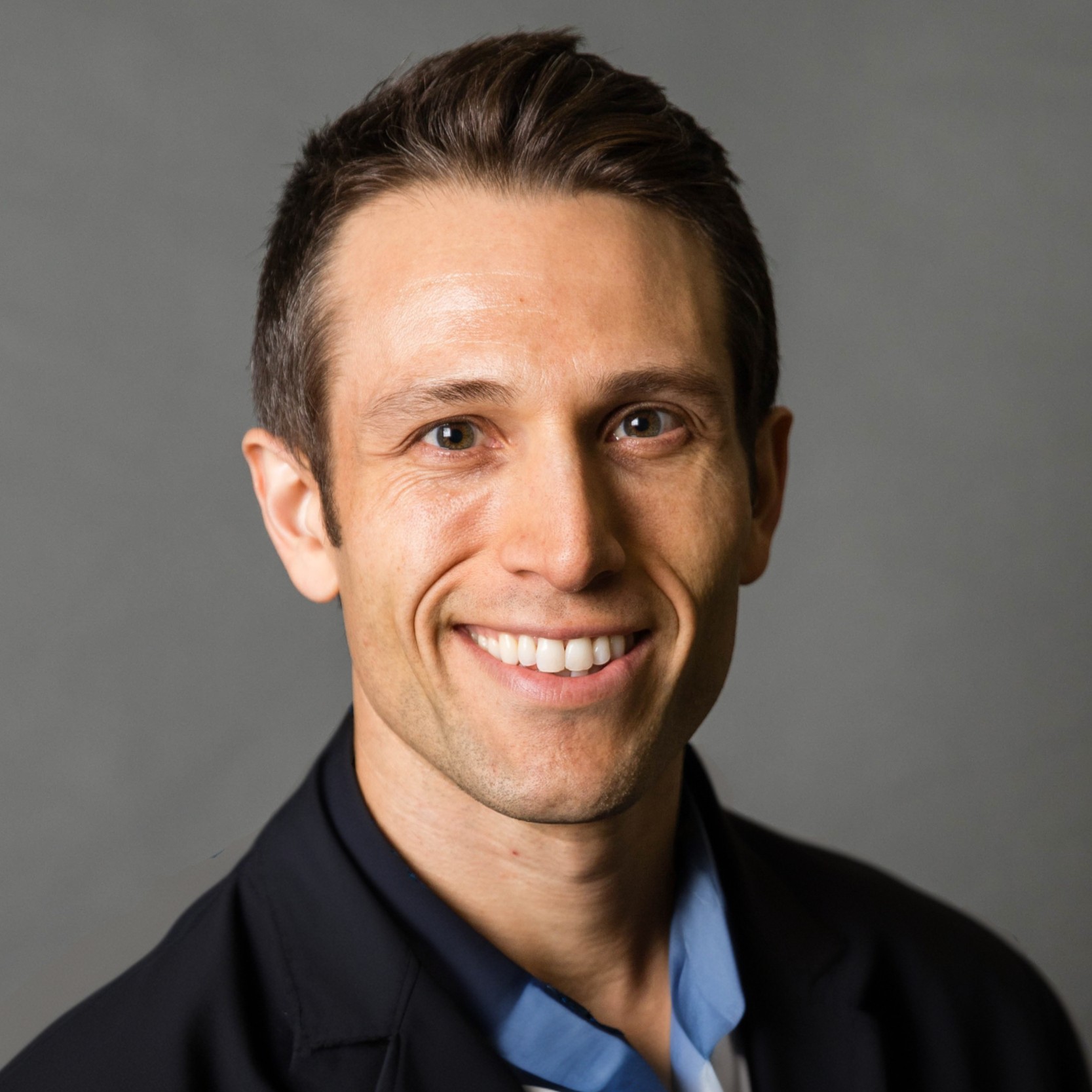
Vanessa Dartora, PhD
Georgia Tech and Emory University
Research Engineer II, Wallace H. Coulter Department of Biomedical Engineering
Lead Mentor: Alyssa Panitch, PhD
Co-Mentor: Peng Qiu, PhD
Vanessa Dartora, PhD is a Research Engineer II in the Department of Biomedical Engineering at Georgia Institute of Technology and Emory University. She holds a PhD in Pharmacology from the University of São Paulo, Brazil, and completed postdoctoral training in biomedical engineering at the University of California, Davis, followed by a President's Postdoctoral Fellowship at Georgia Tech and Emory, before transitioning into her current role. Her primary research focuses on engineering biomaterials that reprogram the body's own cells to produce therapeutic signals for tissue repair, with the goal of designing treatments that account for how patients' biology differs. Dr. Dartora's KL2 project will focus on decoding how patient characteristics such as age, skin pigmentation and other biological characteristics influence the molecular signals cells produce in response to biomaterials, and using this information to engineer therapies informed by biological and clinical characteristics for wound healing. Dr. Dartora's goal with her KL2 project is to generate the molecular and machine-learning-based design tools needed to validate that therapies tailored to patient characteristics outperform one-size-fits-all treatments in human skin tissue. Her long-term goal is to establish a career in precision regenerative medicine, leading translational research that bridges biomaterials engineering and personalized therapeutic design.
Mark Garren, PhD
University of Georgia
Clinical Assistant Professor, School of Chemical, Materials & Biomedical Engineering, College of Engineering
Lead Mentor: Hitesh Handa, MD, MS
Co-Mentor: Elizabeth Brisbois, PhD, MS
Dr. Garren is a clinical Assistant Professor in the School of Chemical, Materials & biomedical Engineering within the College of Engineering at the University of Georgia. He holds a PhD in Biomedical Engineering from the University of Georgia. Applying expertise in polymer chemistry, surface modification, and combinatorial design, Dr. Garren’s research includes advanced biomaterials development methods, drug delivery, and hematology, focusing on translational research in health technologies for cardiovascular spaces. The goal of his KL2 research project is to develop next-generation biomaterials design strategies for the controlled release of hydrogen sulfide (H2S) at blood-contacting interfaces to address issues of device-related failure from surface-induced inflammation, contact activation, and thrombosis. Dr. Garren’s long-term goal is to further develop skills in state-of-the-art drug delivery methods with an emphasis on applying his background in polymer science and engineering to translational clinical applications.
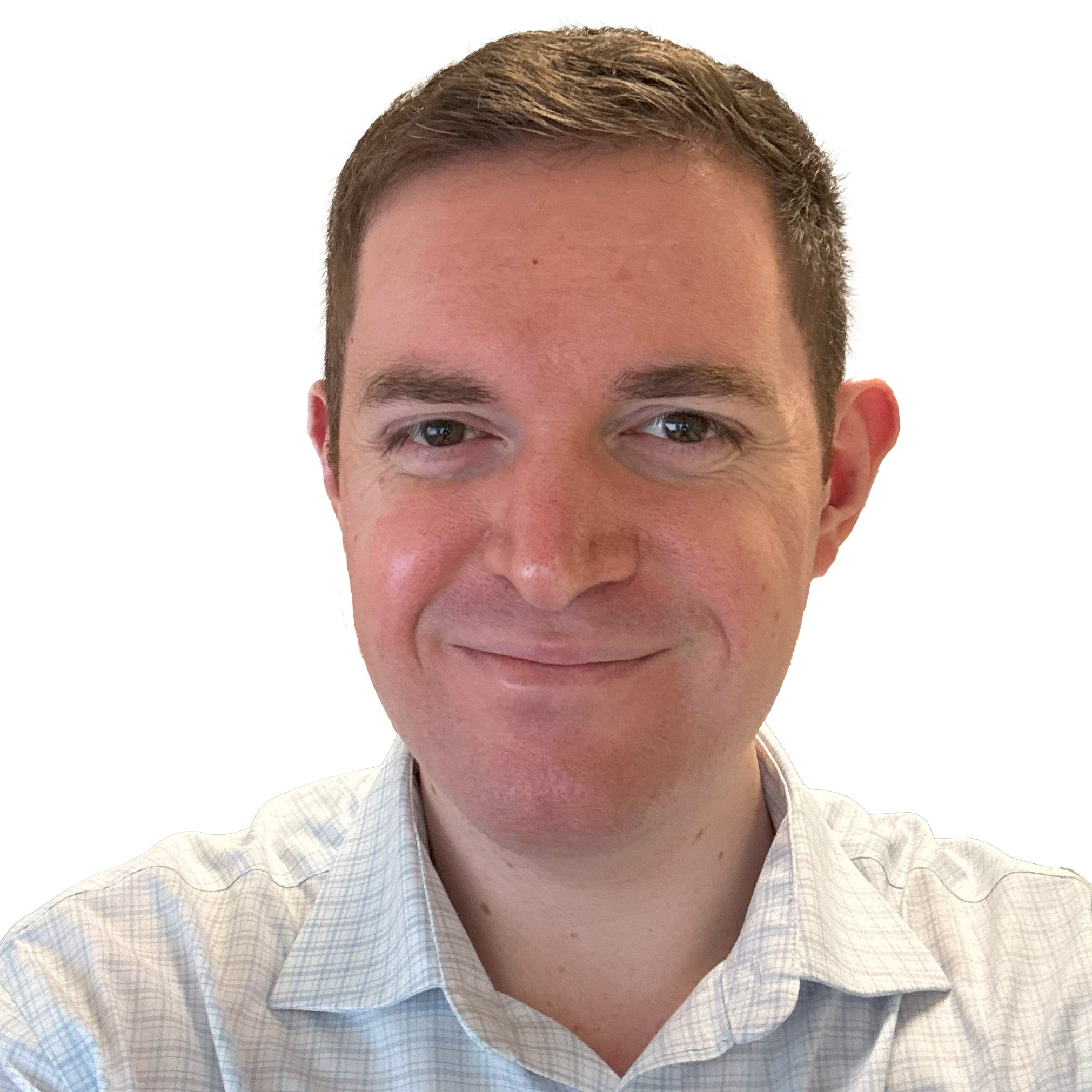
Yang Ge, PhD
University of Georgia
Assistant Professor, Department of Epidemiology and Biostatistics, College of Public Health
Lead Mentor: Ye Shen, PhD
Dr. Ge is an Assistant Professor in the Department of Epidemiology and Biostatistics in the College of Public Health at the University of Georgia. He holds a PhD from the University of Georgia and is a data scientist specializing in infectious disease epidemiology, including disease transmission, intervention effectiveness, and virus kinetics. Dr. Ge’s KL2 research project will investigate tailored vaccination strategies to enhance influenza vaccine effectiveness for people living with HIV. His goal is to translate complex health data into meaningful insights that advance patient care, strengthen public health policies, and promote better health outcomes. Ultimately Dr. Ge’s long-term professional goal is to pursue a career in clinical and translational research, establishing himself as an independent investigator in the field of infectious disease epidemiology, with a focus on influenza infection among high-risk individuals.
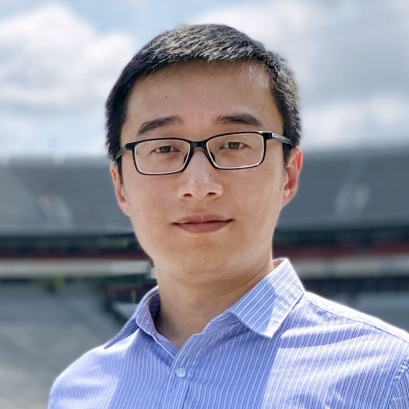
Young-Rock Hong, PhD, MPH
Emory University
Assistant Professor, Department of Family and Preventive Medicine, School of Medicine
Lead Mentor: Mohammed Ali MD, MSc, MBA
Co-Mentor: Hui Shao MD, PhD
Young-Rock Hong, PhD, MPH, is a health services researcher and population health scientist whose work has examined how health system- and provider-level factors shape treatment decisions and healthcare access for patients with obesity-related chronic conditions, including diabetes, cardiovascular disease, and cancer. He is an Assistant Professor in the Department of Family and Preventive Medicine at Emory University School of Medicine, where his research applies ML/AI and causal inference methods to identify clinically meaningful patient subtypes and optimize obesity treatment selection. His KL2 research project will characterize patient subtypes that incorporate clinical and contextual factors, model optimal timing and sequencing across available obesity treatments, and involve patients and clinicians to inform pathways for implementing precision approaches in primary care. Findings from this work will establish a foundation for a larger trial testing whether precision-guided treatment selection enhances outcomes compared to standard obesity care.
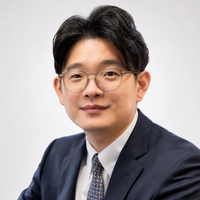
Muhammed Idris, PhD
Morehouse School of Medicine
Assistant Professor, Departments of Medicine and Public Health Education
Lead Mentor: Priscilla Pemu MD, MS, FACP
Dr. Idris is an Assistant Professor in the Departments of Medicine and Public Health Education at Morehouse School of Medicine and Associate Director of the Clinical Research Center, where he leads digital transformation. He holds a PhD and MA from Pennsylvania State University and a BA from the University of Washington. His research spans biomedical, clinical research, and public health informatics, with a focus on the responsible design, development and evaluation of AI/ML tools and interventions. His KL2 project will develop and validate a competency framework for participant-centered recruitment communication and translate it into a generative AI–enabled simulation platform for training clinical research coordinators. Through the KL2, he will expand his expertise in clinical and translational research, implementation science, clinical trial design, and competency-based assessment. His long-term goal is to become an independently funded investigator developing AI-enabled interventions to improve clinical trial access, recruitment, and participant engagement.
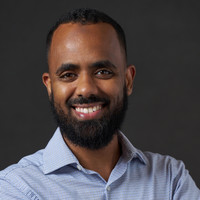
Pedro Lamothe, MD, PhD
Emory University
Assistant Professor, Division of Pulmonary, Allergy, Critical Care, and Sleep Medicine at School of Medicine
pedro.alberto.lamothe.molina@emory.edu
Lead Mentor: F. Eun-Hyung Lee, MD
Co-Mentor: Ignacio Sanz, MD
Pedro Lamothe, MD, PhD, is an Assistant Professor in the Division of Pulmonary, Allergy, Critical Care, and Sleep Medicine at Emory University School of Medicine. He is a pulmonary and critical care physician-scientist with clinical and research interests in severe asthma and type 2 inflammatory diseases. His research focuses on understanding how immune-targeted therapies for type 2 inflammatory diseases affect adaptive immunity. As a Georgia CTSA KL2 Scholar, Dr. Lamothe is investigating the roles of IL-4 and IL-5 signaling in human B-cell differentiation and long-lived plasma cell maintenance. His long-term goal is to establish an independent translational research program at the intersection of B-cell biology and type 2 inflammatory disease, with the goal of translating insights from human immunology into improved care for patients with asthma and related conditions.
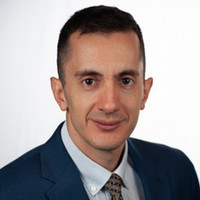
Nirja Mehta, MD, MSc
Emory University
Assistant Professor, Division of Infectious Diseases, School of Medicine
Lead Mentor: Jeffrey Collins, MD, MPH, MSc
Co-Mentor: Colleen Kraft, MD, MSc
Dr Nirja Mehta is an Assistant Professor in the Division of Infectious Diseases. She is interested in the microbiome and its intersection with infectious diseases pathophysiology. Clinically she specializes in advanced therapies for Clostridioides difficile infection and works as site PI for several novel C difficile therapies in order to maximize therapeutic options to patients suffering from this infection. Her KL2 project aims to evaluate the stool metabolome to improve C difficile diagnostics. She hopes to use this work to launch an independently funded research career to both better understand how the human microbiome and metabolome can be used to better diagnose and treat infectious diseases.

Samuel Opara, MBBS, MPH
Emory University
Assistant Professor, Division of Infectious Diseases, Department of Medicine, School of Medicine
Lead Mentor: Sophia Hussen, MD, MPH
Co-Mentor: Jessica Sales, PhD, MA
Co-Mentor: Sabriya Linton, PhD, MPH
Dr. Opara is an Assistant Professor in the Division of Infectious Diseases, Department of Medicine, Emory University School of Medicine. He holds an MBBS from the University of Jos, Nigeria, and an MPH from the University of Texas Health Science Center in Houston. He completed a fellowship in Infectious Diseases (HIV track) at Emory University. His growing research program focuses on integrated approaches to healthcare delivery for populations with high HIV burden. His KL2 project will assess barriers and facilitators to integration of treatment for stimulant use disorders (StUD) into HIV treatment and prevention settings. Using data from his KL2 project, his future research will focus on implementation of StUD-HIV care integration for persons living with HIV and persons with elevated likelihood of HIV infection. Dr. Opara’s long-term goal is to become an independent investigator who develops, implements, and evaluates integrated interventions to improve health outcomes among people affected by HIV.
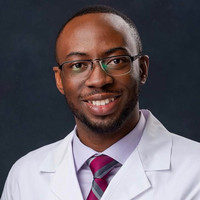
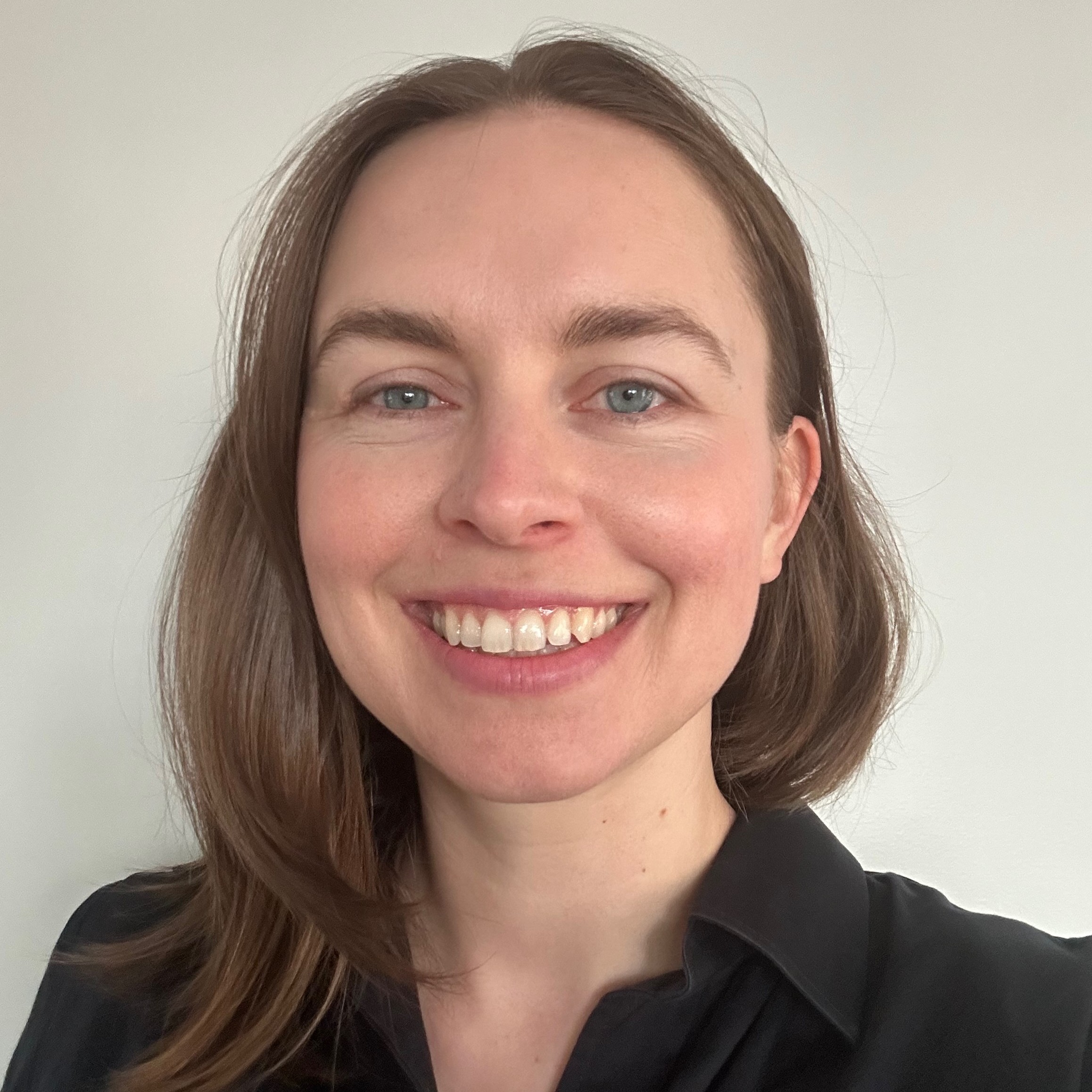
Natalia Smirnova, MD, MSCR
Emory University
Assistant Professor, Division of Pulmonary, Allergy, Critical Care, and Sleep Medicine, Department of Medicine, School of Medicine
Lead Mentor: Dio Kavalieratos, PhD
Dr. Smirnova is an Assistant Professor in the Division of Pulmonary, Allergy, Critical Care, and Sleep Medicine. She also directs an advanced COPD clinic at Emory that integrates primary palliative care into routine pulmonary management. Her clinical and research interests center on improving quality of life and reducing suffering for patients with serious pulmonary illnesses, particularly chronic obstructive pulmonary disease (COPD) and cystic fibrosis. Her KL2 research project will include identifying EHR-based indicators that signal high palliative needs among outpatients with COPD, and examining how clinicians make decisions about initiating palliative care. Dr. Smirnova aims to become an independent health services researcher who designs interventions to improve patient, caregiver, and healthcare system outcomes in serious pulmonary illness through the equitable delivery of palliative care.
Questions
We encourage interested K12 candidates to contact the Georgia CTSA Research Education Program leadership for questions and assistance with the application process at your institution: Dr. Henry Blumberg and Dr. Anandi Sheth (Emory); Dr. J. Brandon Dixon (GT); Dr. Alexander Quarshie (MSM); Dr. Somanath Shenoy (UGA). Questions on the application process can be directed to Rachel Hardison, Georgia CTSA Research Education Programs Assistant Director. For questions, especially technical issues, or problems with the online submission website please contact Alexey Kurbatov.
- Georgia CTSA Trainees and Scholars at Translational Science Conference (TS26)
Celebrating the Next Generation of Clinical and Translational Investigators
- Former Georgia CTSA KL2 Scholar Leads Registry to Improve Treatments for Rare Diseases
Former Georgia CTSA KL2 Scholar and TL1 Co-Director Serve as Emory SCORE MPIs on $7.4M NIH Renewal
Former Georgia CTSA KL2 Scholar Leads Clinical Arm at Emory on Joint $2.8M NIH-Funded Epilepsy Study